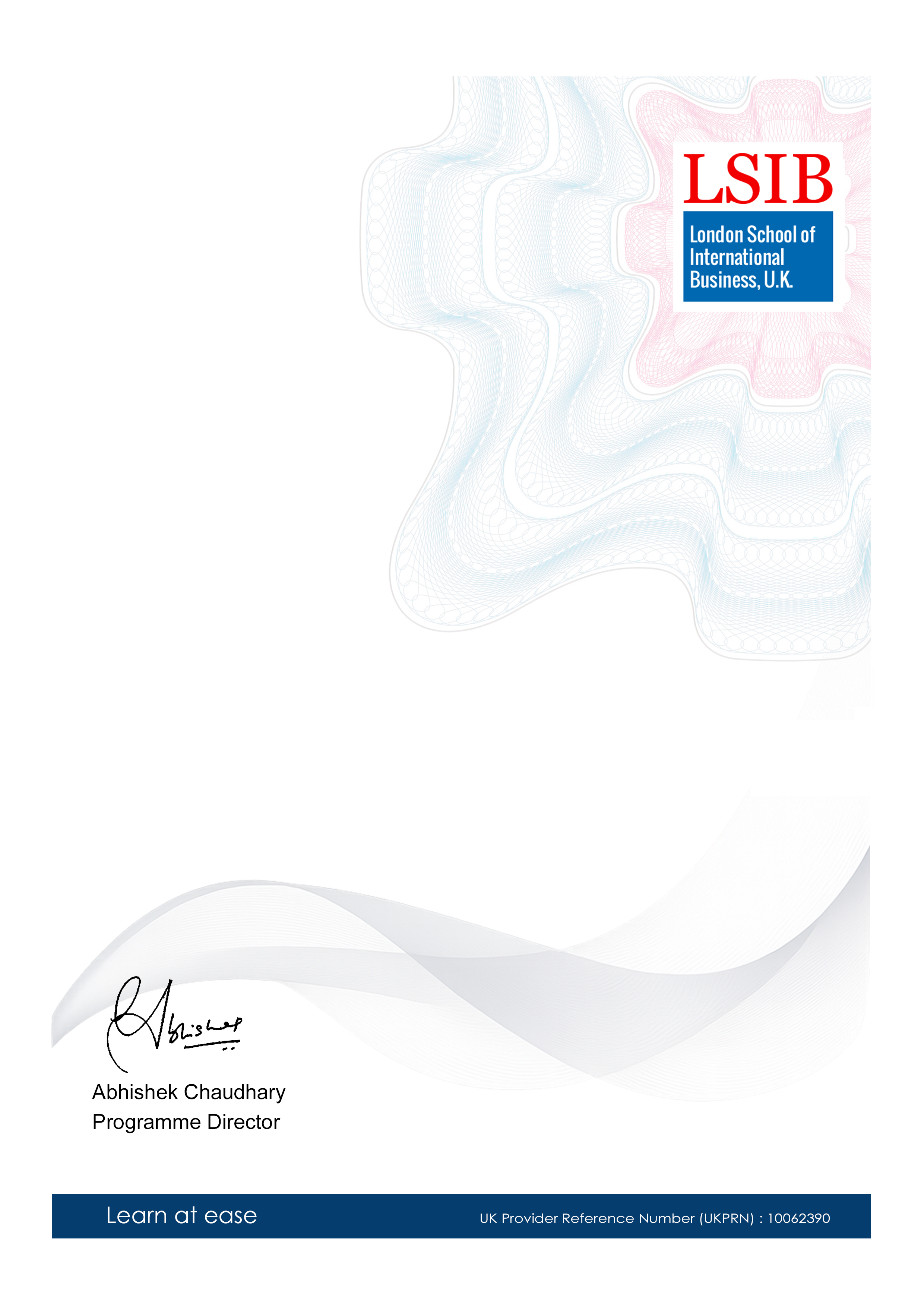
Global Certificate in Manufacturing Efficiency Best Practices
-- viewing nowThe Global Certificate in Manufacturing Efficiency Best Practices is a comprehensive course designed to empower manufacturing professionals with the latest industry trends and best practices. This certificate program emphasizes the importance of efficient manufacturing processes, improved productivity, and reduced waste, making it essential for anyone seeking career advancement in the field.
4,816+
Students enrolled
GBP £ 140
GBP £ 202
Save 44% with our special offer
About this course
100% online
Learn from anywhere
Shareable certificate
Add to your LinkedIn profile
2 months to complete
at 2-3 hours a week
Start anytime
No waiting period
Course Details
• Manufacturing Efficiency Fundamentals: Understanding the key concepts and principles of manufacturing efficiency, including OEE (Overall Equipment Effectiveness), Lean Manufacturing, and Six Sigma.
• Performance Metrics and KPIs: Identifying and tracking critical performance metrics and Key Performance Indicators (KPIs) to measure manufacturing efficiency and productivity.
• Lean Manufacturing Tools and Techniques: Exploring Lean Manufacturing tools and techniques, such as 5S, Kaizen, Value Stream Mapping, and Total Productive Maintenance (TPM).
• Six Sigma Methodology: Understanding the Six Sigma methodology, including its principles, tools, and techniques, and how it can be applied to improve manufacturing efficiency.
• Continuous Improvement Processes: Implementing continuous improvement processes, such as PDCA (Plan-Do-Check-Act) and DMAIC (Define-Measure-Analyze-Improve-Control), to drive ongoing improvements in manufacturing efficiency.
• Supply Chain Management: Managing the supply chain to optimize manufacturing efficiency, including supplier selection, inventory management, and logistics.
• Workforce Management and Training: Developing workforce management and training programs to ensure that employees have the skills and knowledge required to drive manufacturing efficiency.
• Automation and Industry 4.0: Leveraging automation and Industry 4.0 technologies, such as IoT (Internet of Things), AI (Artificial Intelligence), and machine learning, to improve manufacturing efficiency.
• Sustainability and Environmental Considerations: Incorporating sustainability and environmental considerations into manufacturing processes to reduce waste, minimize environmental impact, and promote social responsibility.
Note: The above list is not exhaustive and may vary based on the specific needs and goals of the manufacturing organization.
Thanks for reading! If you have any questions or feedback, please let me know.
Career Path
Entry Requirements
- Basic understanding of the subject matter
- Proficiency in English language
- Computer and internet access
- Basic computer skills
- Dedication to complete the course
No prior formal qualifications required. Course designed for accessibility.
Course Status
This course provides practical knowledge and skills for professional development. It is:
- Not accredited by a recognized body
- Not regulated by an authorized institution
- Complementary to formal qualifications
You'll receive a certificate of completion upon successfully finishing the course.
Why people choose us for their career
Loading reviews...
Frequently Asked Questions
Course fee
- 3-4 hours per week
- Early certificate delivery
- Open enrollment - start anytime
- 2-3 hours per week
- Regular certificate delivery
- Open enrollment - start anytime
- Full course access
- Digital certificate
- Course materials
Get course information
Earn a career certificate